


“`
Researchers across Africa are calling for a new approach to global health research, one that gives local scientists and communities a stronger voice in setting priorities, designing studies and shaping how discoveries are used.
“`
For years, African countries have played an important role in clinical trials for medicines and vaccines developed elsewhere. However, scientists and health researchers are increasingly questioning a system in which major research decisions and much of the funding are controlled outside the continent.
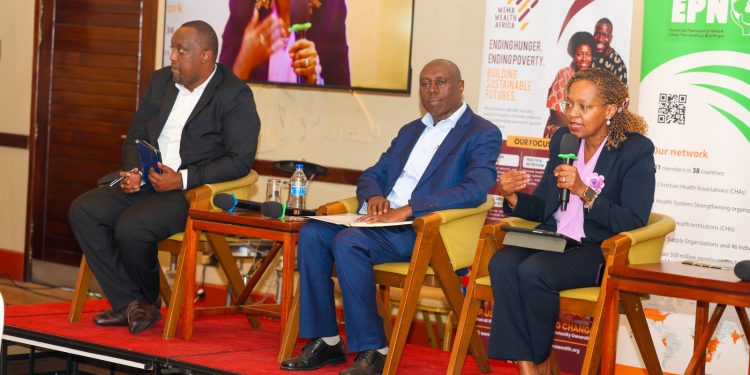
At the three-day Culture of Science 2026 Conference in Nairobi, researchers argued that Africa needs greater research sovereignty — the ability to determine its own health research priorities, participate in designing clinical studies and ensure that scientific discoveries translate into meaningful benefits for African communities.
“We have to be African-led.”
— Prof. Maryanne Mureithi, KAVI Institute of Clinical Research, University of Nairobi
Moving Beyond Being Participants in Other People’s Research
Prof. Maryanne Mureithi, director of the KAVI Institute of Clinical Research at the University of Nairobi, said African researchers should be involved from the beginning of the research process rather than being invited only after major decisions have already been made.
Her argument goes beyond conducting clinical trials locally. True African-led research, she said, means local scientists should help identify the questions that need answering, develop study protocols and influence how research resources are allocated.
This remains difficult because many research programmes depend heavily on international funding. Scientists can therefore find themselves choosing between investigating problems that are highly relevant to African populations but difficult to finance, or pursuing topics that match the priorities of external donors.
Why Local Research Questions Matter
Dr. Christian Rusangwa, technical assistance director at Muso, an organisation working with underserved communities in Mali, Côte d’Ivoire and Zambia, said local researchers and communities are often left out of discussions that take place before clinical studies begin.
When research priorities are established largely by overseas institutions, the resulting studies may rely on assumptions that do not fully reflect African populations. That can create serious challenges when medicines or treatments developed using data from other populations are introduced locally.
Mureithi pointed to research into genetic factors associated with prostate cancer as an example. KAVI researchers questioned assumptions behind the use of treatments targeting BRCA mutations and sought evidence on how genetic variations among African populations might affect treatment decisions.
The institute initially faced resistance when seeking international funding for this work, after being told that existing research based largely on Caucasian populations could provide sufficient evidence. KAVI continued pursuing the issue and eventually secured support for an African scientific consortium studying genetic drivers associated with prostate, breast and ovarian cancers.
The bigger issue
Researchers say locally generated evidence is essential because populations can differ genetically, environmentally and socially. Research designed around African realities can therefore produce evidence that is more useful for the people who will ultimately receive the treatment.
Bringing Clinical Trials Closer to Affected Communities
Some organisations are already experimenting with models that give African communities a more central role in medical research.
Prof. Samuel Kariuki, East Africa director at the Drugs for Neglected Diseases initiative (DNDi), described efforts to establish research capacity in communities affected by neglected diseases.
Rather than concentrating research infrastructure in major cities, such programmes can take clinical research directly to areas where diseases such as kala-azar, schistosomiasis, sleeping sickness and mycetoma are found.
One example is work involving Kacheliba Hospital, where research infrastructure can be developed closer to affected populations. This approach can make it easier to recruit participants from the communities experiencing the diseases while also strengthening local research capacity.
Kariuki also highlighted DNDi’s non-profit research and development model, which aims to keep resulting treatments accessible. He pointed to the organisation’s collaboration with Sanofi that contributed to the development of fexinidazole, an oral treatment for sleeping sickness.
Community Trust Must Start Before the Trial
Research sovereignty also involves the communities that participate in studies. Scientists at the conference stressed that ethical research requires more than asking participants to sign consent forms.
Charles Kilel, a research community engagement officer at KEMRI-Walter Reed, described trust as something that must be developed continuously through communication and participation.
KEMRI’s Community Advisory Board has pushed for community representatives to be involved during the early stages of protocol development. Such participation can influence practical decisions and ensure that communities have a voice before a study reaches the recruitment stage.
Kilel cited previous HIV research in which early community involvement helped secure commitments for participants to continue receiving medication after trials ended. This gave national health authorities additional time to develop longer-term financing arrangements.
Funding Remains Africa’s Biggest Challenge
Despite growing calls for greater African ownership of research, funding remains one of the biggest obstacles.
Many African research institutions rely substantially on international donors, including organisations such as the U.S. National Institutes of Health (NIH). Changes in foreign political priorities or research budgets can therefore have an immediate impact on programmes operating in African countries.
Kenya’s national policy provides a target of allocating 2 percent of GDP to research and development. However, actual spending remains considerably lower, at roughly 0.78 percent. Researchers say the challenge is even greater for health research, which competes with other sectors for limited public resources.
From research spending to economic investment
Scientists argue that governments and investors need clearer evidence of the economic value of research. Demonstrating how disease prevention, early diagnosis and better treatment can protect household incomes, reduce healthcare costs and improve national productivity could help strengthen the case for increased domestic investment.
Research Sovereignty Does Not Mean Working Alone
Advocates of research sovereignty are not calling for Africa to withdraw from international scientific partnerships. Instead, they want those partnerships to become more balanced.
Under a stronger model of collaboration, African researchers would have a meaningful role in setting research priorities, designing protocols, managing data and determining how discoveries are translated into products and services.
Researchers also want African institutions and scientists to have a stronger position in discussions around intellectual property, funding and access to innovations produced through studies involving African communities.
The broader goal is to move from a model in which African communities primarily provide participants and data to one in which they also help determine what is researched, how it is researched and who ultimately benefits from the results.
A Shift Toward African-Led Science
The message from Nairobi was clear: Africa has scientists, research institutions and major health challenges that demand locally relevant solutions. What remains in short supply is the financial independence and decision-making power needed to shape the research agenda.
Greater domestic investment, stronger community participation and fairer international partnerships could help change that equation. For African researchers, research sovereignty is ultimately about ensuring that the people and institutions closest to the continent’s health challenges have a central role in finding and benefiting from the solutions.